2026 Chevrolet Traverse vs 2026 Ford Explorer: Three-Row SUV Space in Ontario
Shopping for a three-row SUV that can handle carpool duty, hockey bags, and a weekend trailer means weighing space against space, not badge against badge. Ontario families cross-shop the 2026 Chevrolet Traverse and the 2026 Ford Explorer for exactly that reason, since both promise seven-passenger flexibility and a family-hauler personality. The numbers behind the seats […]
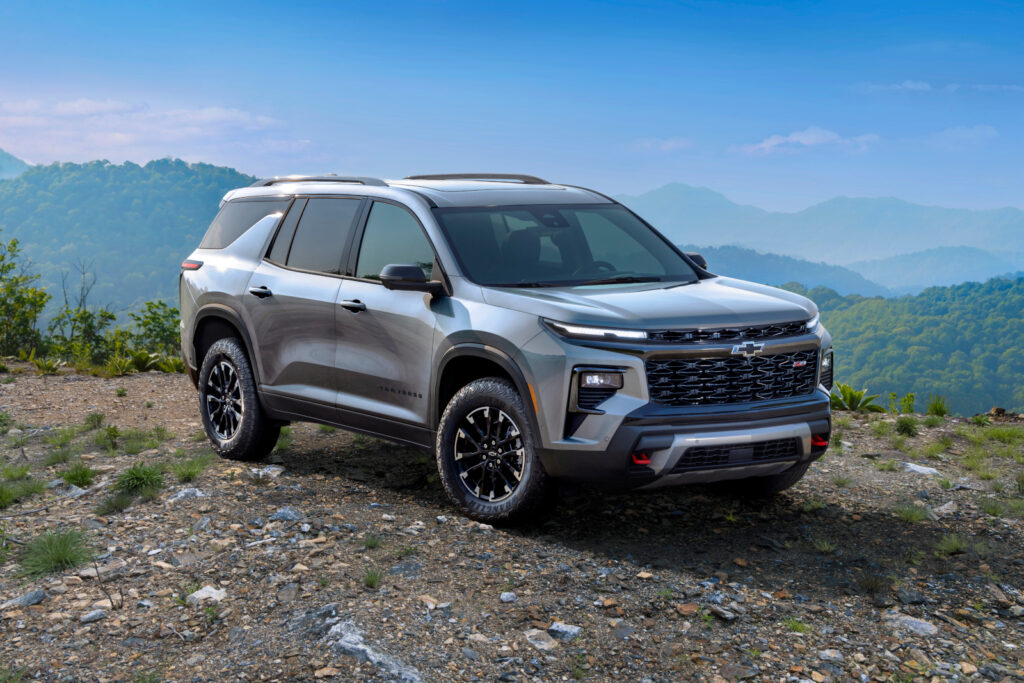
Shopping for a three-row SUV that can handle carpool duty, hockey bags, and a weekend trailer means weighing space against space, not badge against badge. Ontario families cross-shop the 2026 Chevrolet Traverse and the 2026 Ford Explorer for exactly that reason, since both promise seven-passenger flexibility and a family-hauler personality. The numbers behind the seats and the cargo floor tell a clearer story than any brochure.
Here is how the two stack up on the details that matter once the kids, the gear, and the trailer are all along for the ride.
Traverse vs. Explorer: Family SUV Specs Side by Side
| Spec | 2026 Chevrolet Traverse | 2026 Ford Explorer |
| Max cargo volume, seats folded | 2,775.1 L | Up to 2,430 L |
| Infotainment display | 17.7-inch, Google built-in (standard) | 13.2-inch touchscreen |
| Horsepower / torque | 328 hp / 326 lb-ft, standard on every trim | 300 to 400 hp / 310 to 415 lb-ft, varies by trim |
| Max towing | 5,000 lbs (2,268 kg) | 5,000 lbs (2,268 kg) |
| Transmission | 8-speed automatic | 10-speed automatic |
Cabin Space Built for Growing Kids and Carpools
The Traverse’s cabin backs up its size with real measurements. The front row offers 42.6 inches of headroom and 44.3 inches of legroom, while the second row holds 40.0 inches of headroom and 41.5 inches of legroom, plenty for older kids and adult carpool passengers riding along regularly.
Even the third row stays usable, with 38.3 inches of headroom and 32.1 inches of legroom, numbers that matter when a hockey team’s worth of teenagers needs somewhere to sit. The Explorer’s seating capacity shifts by trim, seating seven in most configurations but dropping to six in the twin-bucket-seat ST, a layout that trades one passenger spot for sportier front chairs.
Cargo Space for Strollers, Gear, and Everything Between
Family SUVs earn their keep hauling more than passengers. Chevrolet rates the Traverse’s cargo hold at 2,775.1 litres with the rear seats folded flat, one of the largest cargo figures in the segment.
Ford’s own figures put Explorer cargo space anywhere from about 462 litres to 2,430 litres, depending on how many rows stay folded down. Even at its most generous, the Explorer’s folded-flat capacity falls short of what the Traverse offers with the seats down, a real difference for families hauling strollers, sports gear, and luggage on the same trip.
Towing and Trailering Confidence
Both SUVs cap out at the same 5,000 lbs (2,268 kg) of maximum towing, so neither has a raw capacity edge for a boat, trailer, or camper. The Traverse’s Gross Combined Weight Rating reaches 10,250 lbs (4,649 kg), with a 500-lb (227 kg) tongue weight allowance to keep things balanced once the trailer is loaded.
The Traverse pulls ahead with hardware that makes hitching and towing less stressful. Standard equipment includes a 7-pin wiring harness, Trailer Sway Control, Hill Start Assist, and Automatic Engine Grade Braking, backed by available Hitch View and Hitch Guidance camera modes and up to 14 camera views, including a Transparent Trailer View that lets a driver see past the trailer itself.
Everyday Power Without the Trim-Level Guesswork
Every 2026 Traverse, from LS through RS, runs the same 2.5L turbocharged four-cylinder engine, making 328 hp and 326 lb-ft of torque through an 8-speed automatic. There is no need to climb the trim ladder chasing power. It is standard equipment across the lineup.
The Explorer’s range-topping trims add a 3.0L V6 rated at 400 hp and 415 lb-ft, more than the Traverse offers. But that engine is reserved for the Platinum, ST, and Tremor trims. Elsewhere in the lineup, Explorer’s 2.3L four makes 300 hp and 310 lb-ft, below the Traverse’s standard output. The Traverse’s single-engine approach means every buyer gets the same power, standard, with no trim climbing required.
Tech and Comfort for Daily Driving
The Traverse pairs a 17.7-inch diagonal display with Google built-in compatibility as standard equipment, alongside a full driver-assistance suite. Automatic Emergency Braking, Lane Keep Assist, Blind Zone Steering Assist, and Adaptive Cruise Control all come standard, and every trim adds a heated steering wheel and heated front seats through the standard Convenience Package.
The Explorer counters with a 13.2-inch touchscreen and a 12.3-inch digital cluster, and the range-topping Tremor adds available extras like a 14-speaker premium audio system and massaging front seats. Those upgrades live at the top of the Explorer lineup, while the Traverse builds its bigger 17.7-inch display and core safety features into every trim from the start.
Why the Traverse Fits Ontario Families Best
For families cross-shopping three-row SUVs, the decision comes down to which vehicle delivers space and standard equipment without conditions attached. The Traverse’s 2,775.1-litre cargo hold, standard 328-hp turbo engine, and 17.7-inch display apply to every trim, not just the priciest one.
The Explorer asks buyers to climb into its Platinum, ST, or Tremor trims to unlock its strongest engine and premium tech, while the Traverse’s roomy second and third rows and dependable trailering hardware come built in from LS onward. For Ontario families hauling kids, gear, and the occasional trailer, that consistency makes the Traverse the more practical pick.
Test the Traverse’s Space for Yourself
The 2026 Chevrolet Traverse offers a spacious three-row cabin, a standard turbocharged engine, and dedicated trailering hardware in one consistent package across every trim, giving family SUV shoppers fewer compromises to weigh.
Visit Nurse Chevrolet in Whitby, Ontario, to sit in all three rows of the 2026 Traverse and see its cargo space in person. Our team can help match a trim to your family’s routine.